
The King’s Two Bodies
Wolf HallThis thread traces Henry’s unstable balance between the vulnerable man and the sovereign image that must appear certain.
increasing Bearing strength in each event
 decreasing
Bearing strength in each eventdecreasingFear Behind Majesty
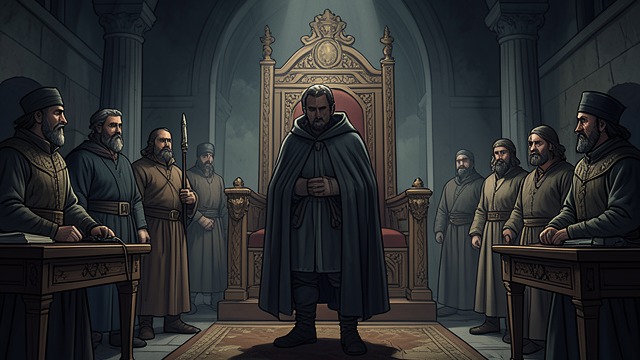
A King with Scruples
Private distress
Henry worries that he has lived in sin and that God has denied him sons. His emotional crises reveal a man who wants both certainty and the freedom to act as he pleases.
Public authority
He remains king even when uncertain, and expects advisers to transform private fear into policy. Wolsey and Cromwell become interpreters of the gap between his feelings and his decisions.
A Dream Rewritten
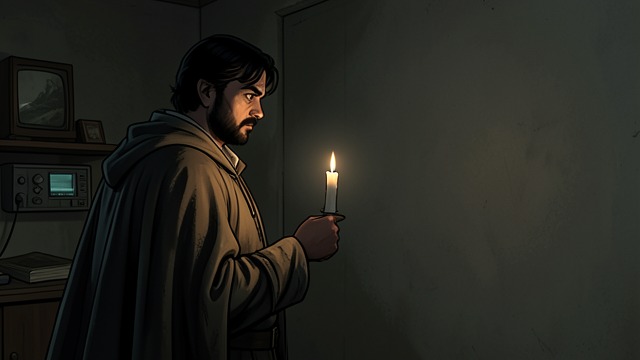
Arthur’s Visit
A troubling dream
Henry tells Cromwell that his dead brother Arthur appeared to him, pale and apparently accusing him of taking both crown and wife. The king experiences dynastic history as a personal judgment.
A sovereign interpretation
Cromwell reframes the dream as a mandate to strengthen kingship and secure England. The royal image turns private guilt into public authority.
Fear and Government
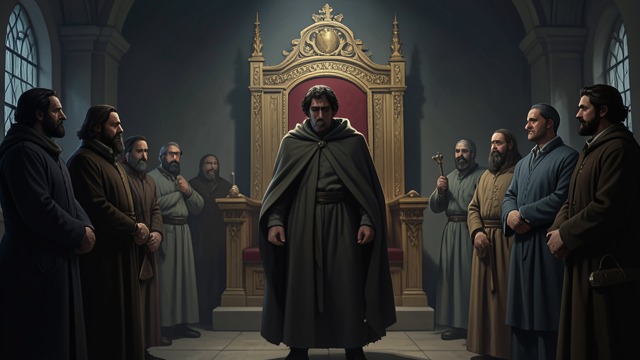
The King’s Vulnerability
Body and office
Henry fears poison, illness, invasion, and betrayal, while his public image demands confidence. His personal body is repeatedly measured against the larger political body of the kingdom.
A relationship of dependence
He relies on Cromwell to organize policy and soothe fear, yet remains capable of anger and sudden reversals. The royal double is powerful but never wholly separate from the anxious man.
1527–1530
New Year 1531
1534–1535
